When Your Hobby Becomes a Business, Your Insurance Needs to Know About It
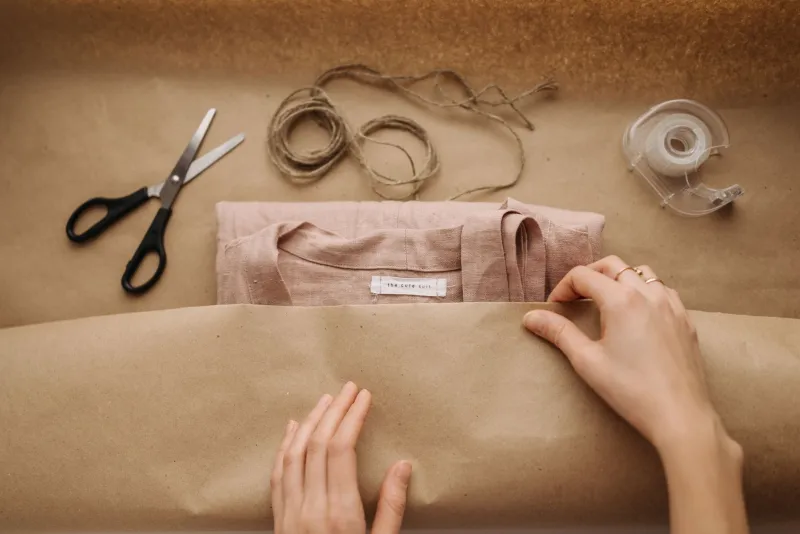
America's side hustle economy has grown into something far more significant than a cultural moment. According to recent surveys, a substantial share of U.S. adults now earn income from activities outside their primary employment — selling handmade goods, offering tutoring services, coaching clients online, consulting in their professional field, or renting out equipment and space. For many, these pursuits begin as genuine hobbies and gradually cross a line into commerce.
That crossing is consequential in ways most side hustlers never anticipate. The moment money changes hands, the legal and insurance landscape shifts — and personal policies that have always felt like adequate protection may suddenly offer very little.
The Assumption That Creates the Gap
Most people assume their existing coverage travels with them. Homeowners or renters insurance covers the home and its contents. Auto insurance covers the vehicle. Health and disability coverage addresses personal medical needs. This logic feels sound — until a business activity is introduced.
Personal insurance policies are designed for personal risk. They are priced, underwritten, and structured around the assumption that the policyholder is a private individual, not a commercial operator. When you begin using your home to store inventory, meet clients, or conduct business services, you have introduced a category of risk that most personal policies explicitly exclude.
The exclusion is rarely ambiguous. Most homeowners and renters policies contain language that voids or limits coverage for losses arising from business activities conducted on the premises. An equipment failure, a client injury, a theft of business inventory — these events may fall entirely outside your coverage, leaving you personally responsible for costs you assumed were protected.
Breaking Down the Coverage Gaps by Activity
The specific risks vary by the type of side hustle, but certain patterns emerge across the most common income-generating activities.
Crafters and product sellers who manufacture goods at home — candles, soaps, food products, jewelry, clothing — face product liability exposure that homeowners policies do not cover. If a customer is harmed by a product you sold, a claim can be brought against you personally. The fact that your operation is small does not limit your legal exposure.
Tutors, coaches, and consultants who provide advice, instruction, or guidance for compensation face professional liability risk. If a client claims that your advice caused them financial harm, academic setback, or professional damage, a personal policy offers no defense. Professional liability insurance — sometimes called errors and omissions coverage — addresses this category of risk specifically.
Home-based service providers who welcome clients onto their property introduce premises liability into the equation. A client who slips on your front steps while arriving for a session has a viable personal injury claim. Standard homeowners liability coverage may exclude or limit this if the visit is business-related.
Drivers who use their personal vehicle for side hustle purposes — delivering products, transporting equipment, driving to client locations — may find their personal auto policy unresponsive to accidents that occur during those trips. Personal auto policies generally exclude commercial use, and the definition of commercial use is broader than most policyholders expect.
Digital and content creators who sell online courses, licensed photography, or written content may face intellectual property claims or content liability issues that fall outside any personal policy category.
When Do You Actually Need Business Insurance?
The threshold is lower than most side hustlers assume. You do not need to be incorporated, registered as an LLC, or generating significant revenue before business insurance becomes relevant. The relevant question is simpler: are you receiving payment in exchange for a product, service, or expertise?
If the answer is yes, you have commercial activity — and commercial activity creates commercial risk.
For lower-revenue operations, the entry point is often a business owner's policy (BOP), which bundles general liability and commercial property coverage into a single, cost-effective package. For many home-based side hustlers, a BOP can be added at a relatively modest annual cost.
For those whose work involves advice-giving, instruction, or professional services, adding professional liability coverage is worth serious consideration. The cost of defending a single professional liability claim — even one without merit — can dwarf the annual premium many times over.
For those who use a vehicle for business purposes with any regularity, a commercial auto endorsement or a separate commercial auto policy fills a gap that surprises many drivers only after an accident.
The Checklist: Five Questions to Ask Before Your Next Sale
Rather than waiting for a loss to reveal the gaps in your coverage, work through the following questions with your insurance advisor.
-
Does my homeowners or renters policy exclude business activities? Request a copy of the relevant policy language and ask your agent to walk through the business exclusion provisions.
-
Do I store business inventory, equipment, or supplies at home? If so, confirm whether those items are covered under your current policy and up to what value.
-
Do clients, customers, or business contacts ever visit my home? If yes, premises liability coverage that extends to business visitors is worth exploring.
-
Does my work involve providing professional advice, instruction, or services? If so, professional liability coverage should be on your checklist.
-
Do I use my personal vehicle for any business-related driving? Confirm with your auto insurer whether your current policy covers those trips — and under what circumstances.
Protecting the Business Without Overspending
One of the most common reasons side hustlers delay addressing their coverage is cost. The assumption is that business insurance is expensive — a concern better suited to established companies than to someone selling handmade candles on weekends.
In practice, many side hustle coverage solutions are quite affordable, particularly when the operation is small and home-based. A general liability policy for a low-risk home-based business can cost less annually than many people spend on streaming subscriptions. The key is matching coverage to actual exposure rather than purchasing more than the operation requires.
At Pierce Insurance, we work with individuals at every stage of business development — including those who are still deciding whether their side project is a hobby or a business. If you are generating income from a personal interest or skill, it is worth a conversation. The coverage gaps that catch people off guard are almost always simpler to address in advance than to resolve after a loss.